
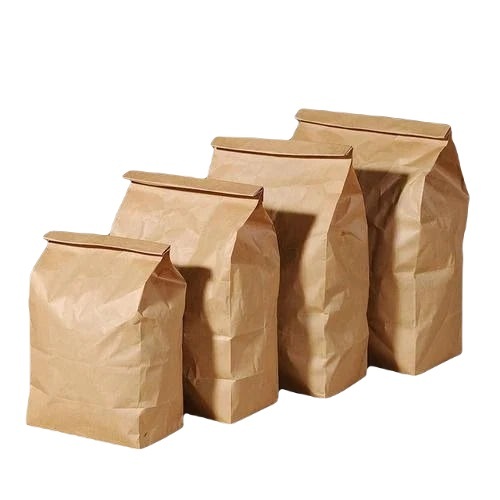
The significance of food safety and quality packaging cannot be overestimated in modern food production. Packaging not only ensures that the product is not spoiled, but also that the product is delivered in the best condition to the consumer. Paper bags are one of the food packaging solutions that are currently in use and are considered a good choice, flexible, sustainable, and environmentally friendly. The bags have been necessitated by the businesses, both small bakeries and cafes and big food chains, by integrating functionality, safety and environmental responsibility.
The significance of food safety and quality packaging cannot be overestimated in modern food production. Packaging not only ensures that the product is not spoiled, but also that the product is delivered in the best condition to the consumer. Paper bags are one of the food packaging solutions that are currently in use and are considered a good choice, flexible, sustainable, and environmentally friendly. The bags have been necessitated by the businesses, both small bakeries and cafes and big food chains, by integrating functionality, safety and environmental responsibility.
This blog will define Paper Bags and evaluate their value, types, materials and the future of using Paper Bags for food packaging, which will enable businesses make sound decisions regarding their food packaging strategy.
What are Paper Bags for Food Packaging?
Paper Bags for food packaging are special bags manufactured out of food-grade paper that have been specifically designed to package, preserve and ensure safe transportation of the food products. The bags are designed to resist environmental conditions, which include moisture, grease, heat, and cold, unlike regular paper bags, which makes them last longer, preserving the freshness and preventing contamination of food.
Paper Bags are critical in the materials used in their food packaging. Kraft paper is an example that is popular because it is strong and durable, hence it accommodates heavier products like groceries and baked goods. Recycled paper is also a green alternative that does not affect the quality of paper, and businesses can minimize their environmental footprint. Paper bags have been coated and laminated to offer additional protection against grease and water, hence making them ideal for fried foods, oily snacks and bakery goods. Food packaging is concerned with safety. Food Paper Bags of high quality are produced out of non-toxic and food-safe materials that do not leech dangerous chemicals onto the food. The bags are also structurally strong during handling, storage and transportation, which is critical to a business that cherishes hygiene and quality control in its operations.
Besides, Paper Bags for food packaging are versatile. They are available in different sizes, shapes, and designs to hold a huge array of food items. Developing a paper bag option to wrap sandwiches in flat bags or cereals or snacks in stand-up bags, there is a paper bag for almost every food item. These bags also serve as an important element of the current food service and retail operations, in addition to safeguarding the food, they also improve the presentation and the customer experience.
Why Paper Bags Are the Future of Food Packaging
One of the biggest tendencies in the world food packaging industry is the shift to sustainable alternatives to plastic. Paper Bags for food packaging are leading this trend because they have a lot of benefits:
- Environmental Sustainability: Paper bags are recyclable and biodegradable, as opposed to plastic bags that take hundreds of years to be disposed of. They disintegrate automatically without providing any harmful residues, hence making them an environmentally sound option. Companies that use Paper Bags when packaging food show their concern with sustainability, which appeals to consumers who are concerned about environmental issues.
- Food Safety- A key issue in packaging is food contamination. The use of food-grade material allows for the making of high-quality paper bags that do not leak or cause contamination of chemicals. This will guarantee that the packaged food items are safe to be consumed, something that is becoming more important to consumers and even the regulatory authorities.
- Food Safety- A key issue in packaging is food contamination. The use of food-grade material allows for the making of high-quality paper bags that do not leak or cause contamination of chemicals. This will guarantee that the packaged food items are safe to be consumed, something that is becoming more important to consumers and even the regulatory authorities.
- Consumer Preference- Contemporary consumers are more aware than ever before and are environmentally conscious. It is indicated by the surveys that a great number of consumers love to see the products packaged in sustainable materials. Paper Bags for food packagingcan allow businesses to fulfil this expectation, increase customer loyalty, and stand out among the other businesses that continue to use plastic.
- Multi-purpose and Convenience- Paper Bags for food packaging are available in diverse designs and sizes that can be used to package different foodstuffs, ranging from dry snacks and bakery products to fresh fruits and drinks. They can be stored with ease, are lightweight and handy both to the retailer and the customers.
- Cost-Effectiveness - In other instances, it is a bit more costly than plastic, but paper bags are long-term in terms of benefits, the brand, regulation, and consumer satisfaction. These advantages usually tend to exceed the start-up expenses.
Environmental sustainability, safety, consumer attractiveness, and convenience all combine to make Paper Bags the preferred food packaging material in the future of food packaging.
Features of High-Quality Paper Bags
Paper Bags for food packaging are unique due to their features that satisfy the needs of contemporary food companies.
- Durability
A good paper bag is tear-resistant and has a high capacity for holding heavy foodstuffs like groceries or bakery products. Particularly, the kraft paper is strong enough to offer lightweight durability. - Water and Oil resistance
Oils and moisture are emitted by many food products, particularly baked goods and fried foods. Good quality paper bags usually have greaseproof or laminated sheets to ensure that it does not leak and that it stands up. - Heat and Cold Resistance
These paper bags have the ability to resist various temperatures, and hence, are acceptable to hot foods such as freshly baked bread or cold foods such as cold drinks. - Variety of Sizes and Shapes
Paper Bags for food packaging can be designed to be flat so that just sandwiches can be packed; or they can be made into large grocery bags and stand-up pouches with the ability to package all kinds of food products. - Eco-Friendly Materials: Recyclable or biodegradable paper bags are of high quality, and thus help to provide sustainability to the environment, yet retain food safety standards.
- Customizable Options
A lot of manufacturers can put the logo, design, or messages on paper bags, allowing businesses to advertise their brand and also offer practical packaging.
The food packaging features that Paper Bags possess render the product a viable, environmentally friendly, and appealing product to food companies in need of improving their food packaging options.
Materials Used in Paper Bags for Food Packaging
Raw materials of Paper Bags for food packaging are very important in the performance and their appropriateness in various food products.
- Kraft Paper
Kraft paper is the most popular material as it is strong and durable. It is capable of transporting heavy products without tearing and gives a natural appearance as desired by environmentally-conscious buyers. - Recycled Paper
Recycled paper is a green option as it minimizes the use of virgin paper, and it is strong and good. It is applicable to a very large variety of food products and complies with environmental sustainability. - Coated or Laminated Paper
Laminating or coating paper offers more defence against moisture, grease and oils. These bags are mostly applicable in baker's, fried foods and takeouts. - Food-Safe Inks and Laminates
Good quality paper bags have printed materials with non-toxic inks and food-safe laminates so that the food is not polluted in the course of storage or transportation. - Specialty Papers
There are paper bags that have special features such as anti-grease, moisture-resistant, or window panels to display the food commodity.
The correct type of material to be used for packaging food depends on the type of food that is being packed, the storage environment, and sustainability objectives. The appropriate choice also guarantees that Paper Bags for food packaging are useful, safe and attractive.
Benefits of Using Paper Bags for Food Packaging
There are numerous advantages to using Paper Bags for food packaging, making them an ideal choice for modern food businesses:
- Safety
Food-grade materials ensure that the packaged products are safe to eat because of the absence of contamination. - Environmental Responsibility
Paper bags can be recycled and made biodegradable, thereby making businesses have a smaller footprint on the environment. - Consumer Convenience
Paper bags are portable, convenient, and can be used on different food products, which makes customers satisfied with them. - Brand Promotion
Designs can be customised to enable the business to print logos, slogans or promotional messages, and this creates a favourable brand image. - Versatility
Bakery products, snacks, groceries, drinks, take away foods can be packed in paper bags, and this makes them very versatile. - Regulatory Compliance
The food-safe paper bags must be used, as they guarantee adherence to health and safety standards, which is a critical issue for a food company.
Such companies as Poly Pack and Enterprises offer high-quality paper bags that can combine all these advantages and provide businesses with a solution that is safe, functional and sustainable.
Types of Paper Bags for Food Packaging
Paper Bags for Food Packaging are of different types, all of which are tailored to the requirements of the food industry. The knowledge of such would assist businesses in selecting the appropriate packaging of their products.
- Flat Paper Bags
Flat bags are straightforward, but multi-purpose. They are perfect in sandwiches, bakery goods and small snacks or cookies. Packaging food with the help of these Paper Bags is a sure way of keeping the food hygienic, fresh, and convenient to carry. - Stand-Up Pouches
Stand-up pouches are also ideal when dealing with dry snacks, cereals and confectionery. These Paper Bags for Food Packaging also offer stability when placed on shelves and a professional appearance, which improves brand appeal. - Grocery Bags
Grocery paper bags are large and sturdy, which can be used to transport fruits, vegetables and packaged foodstuffs. These Paper Bags for Food Packaging quite strong, such that they can carry heavier loads without tearing. - Bakery Bags
Bakery bags are usually greaseproof lined and are used to package bread, pastries and cookies. These food packaging Paper bags preserve the freshness of the baked goods without any oil or water leaks. - Windowed Bags
The windowed paper bags enable the customer to view the product inside and, at the same time, protect the product. These are the Paper Bags for Food Packaging that are utilised in retail environments due to the fact that they offer safety as well as product visibility.
The right type of Paper Bags chosen by businesses to package their food can help them to make sure that their food is safe, presentable, and attractive to customers.
Choosing the Right Paper Bag for Your Food Product
When selecting the ideal Paper Bags for food packaging, a number of aspects would be taken into account:
- Food Category
Dry, oily, or moist foods demand various materials for the paper bags. - Weight and Size
The bag should be able to transport the product without tearing or losing freshness. - Customization
The brand identity can be enhanced by printing logos or designs on them. - Sustainability Objectives
Biodegradable or recyclable products are attractive to greener consumers. - Storage Conditions
You need to consider the storage of the bags in ambient, refrigerated or humid conditions.
To the companies that are switching to plastic packaging, such companies as Poly Pack and Enterprises are offering their services to provide a solution that will be safe, quality, and environmentally friendly.
Customization and Branding Opportunities
- Paper Bags for food packagingalso provide important branding opportunities
- Printed Logos and DesignsBuild brand equity and enhance environmental sustainability.
- Colour ChoicesAssociate the brand palette to be consistent
- Special FinishesMatte, glossy or textured finishes may make the packaging special.
- Promotional PagePut sustainability programs or seasonal campaigns on the packaging itself.
The paper bags that are custom-made not only preserve the food but also increase the brand awareness and customer interest.
Environmental Benefits of Using Paper Bags
Sustainability is one of the biggest factors that has promoted the use of Paper Bags for food packaging:
- Biodegradable :Paper bags can be destroyed naturally, and landfills are minimised.
- Recyclable :Paper bags can be recycled many times, which contributes even more to the minimisation of environmental impact.
- Less Plastic Dependence :Paper usage will help to reduce the dependence on non-degradable plastics.
- Corporate Responsibility :Companies show that they are environmentally sustainable, and it can increase their brand image and appeal to customers who are environmentally conscious.
With paper bags, the companies make good contributions to the environment, and at the same time, the food safety and presentation are maintained.
Conclusion
Paper Bags for food packaging of high quality are an unavoidable aspect of the contemporary food business. They offer safety and durability, environmental and customer experience improvement of the brand. These bags can be used to pack bakery products and groceries as they provide flexibility and conservation-friendly alternatives that satisfy the modern consumer's needs.
Companies interested in the idea of using sustainable and trustworthy types of packaging can also count on the support of such reliable providers as Poly Pack and Enterprises, which can provide them with Paper Bags for food packaging that will be a combination of usefulness, protection, and eco-friendliness.
Switching to using paper bags, food enterprises are able not only to guarantee the safety of their goods and consumers, but also to make the future more sustainable. The selection of Paper Bags for food packaging is a good, environmentally conscious, and future-oriented move that not only meets the business objectives but also the environmental stewardship.
FAQs
Q1.What are Paper Bags for food packaging?
Ans: Paper Bags for food packaging are purpose-specific bags constructed out of food-safe paper that are used to preserve, protect, and carry food products. They are environmentally friendly, resistant and applicable in bakery products, groceries and snacks.
Q2.Do paper bags for food packaging protect oily or wet foods?
Ans: Yes, excellent Paper Bags for food packaging can be purchased with greaseproof or laminated finishes, and can be used to package oily, moist or fried food without leaking.
Q3. Are Paper Bags that have the ability to be branded in terms of food packaging?
Ans: Absolutely. Bags made of Paper can be printed with logos, designs, or marketing words to promote businesses by ensuring they are food safe and at the same time promoting the brand.
Q4.How many days may food items remain fresh in Paper Bags to package food?
Paper Bags for food packaging can be used to keep the freshness of baked goods, snacks or groceries, depending on the material and conditions during storage, as well as to last for some days.
Q5. Do Paper-bags make food packaging an environmentally friendly choice?
Paper Bags used to package food are recyclable as well as biodegradable, and hence a sustainable alternative to plastic, as they provide the same degree of food safety.